
Boxing in 2026 is faster, smarter, and more data-driven than ever. Fighters track punch volume, monitor recovery metrics, and use advanced strength programs to gain marginal advantages. Equipment has evolved too, with improved foam technology, ergonomic designs, and modern Velcro systems.
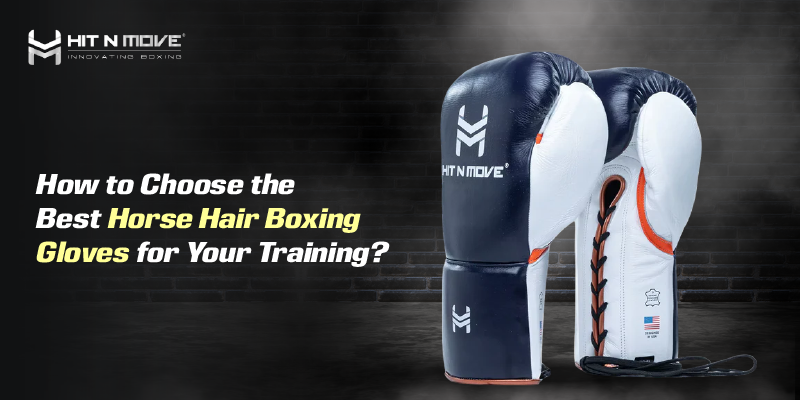
Yet when it comes to serious training and professional competition, lace-up boxing gloves remain the preferred choice for dedicated fighters.
This preference is not based on nostalgia. It is rooted in performance, safety, stability, and professional standards that have remained consistent across generations of the sport.
Superior Wrist Support and Long-Term Hand Protection
Hand and wrist injuries are among the most common problems in boxing. Sports medicine research consistently shows that hand injuries account for roughly 20 to 25 percent of boxing-related injuries, with wrist sprains and metacarpal fractures leading the list.
The core reason many fighters prefer lace-up gloves is simple: better wrist stabilization.
Unlike Velcro closures that tighten primarily across one strap channel, lace-up gloves apply compression evenly from the palm through the wrist and into the lower forearm. This creates:
-
More consistent wrist alignment
-
Reduced hyperextension risk
-
Improved shock absorption
-
Greater confidence when throwing power punches
When competing under major sanctioning bodies such as the World Boxing Council or the World Boxing Association, lace-up gloves are the standard. At that level, even small mechanical advantages matter.
For fighters training four to six days per week, wrist protection directly impacts career longevity. A single misaligned punch can result in weeks of lost progress. Lace-up gloves significantly reduce that risk.
A More Precise and Customized Fit
Fit is often underestimated in boxing equipment. However, glove stability plays a major role in technique consistency.
Lace-up gloves provide a true custom fit because the tension can be adjusted evenly through multiple eyelets. Once tightened, the glove conforms to the hand wraps, knuckles, and wrist structure without internal shifting.
This reduces:
-
Glove movement during combinations
-
Energy loss during impact
-
Mid-session readjustments
-
Distraction during sparring
Elite-level fighters such as Terence Crawford and Naoya Inoue are known for technical precision and efficient punch placement. Stability at the wrist contributes directly to that level of control.
In modern boxing, where reaction time and punch accuracy are measured in fractions of a second, consistent glove positioning enhances overall performance.
The Professional Competition Standard
Across major governing bodies including the International Boxing Federation and the World Boxing Organization, lace-up gloves are mandatory for championship bouts.
There are clear reasons for this:
-
Officials can inspect gloves before lacing
-
Laces are taped to prevent tampering
-
Gloves cannot loosen during rounds
-
Uniform tightening promotes competitive fairness
Because fight-night gloves are lace-up, competitive athletes often train in lace-up gloves to mirror competition conditions. Familiarity reduces adaptation issues and builds consistent muscle memory.
From local arenas to historic venues like Madison Square Garden, lace-up gloves remain the professional benchmark.
Improved Energy Transfer and Punch Efficiency
Punch mechanics rely heavily on wrist alignment. When the wrist is stable, force travels efficiently from the legs and shoulders through the fist. If the wrist bends or shifts, some of that energy dissipates.
Lace-up gloves provide extended cuff support, which improves:
-
Direct force transfer
-
Combination speed
-
Defensive guard stability
-
Overall punch consistency
While 2026 glove technology has significantly improved foam padding across all designs, structural support remains the deciding factor in clean energy delivery.
Many experienced boxers immediately notice that lace-up gloves feel more connected. The punch lands straighter. The contact feels sharper. That connection builds confidence during both bag work and sparring.
Durability and Long-Term Investment
Serious training places heavy demands on equipment. Fighters who train five times per week can easily throw several thousand punches weekly.
Velcro systems rely on hook-and-loop adhesion, which degrades over time due to sweat exposure, friction, and repeated fastening. Industry usage patterns show that heavily used Velcro gloves often begin losing closure strength within six to twelve months.
Lace-up gloves avoid this issue because they do not depend on adhesive materials. High-quality lace-up models are typically built with:
-
Reinforced stitching
-
Durable leather construction
-
Multi-layer protective foam
-
Extended wrist cuffs
For athletes committed to long-term development, durability matters. Consistent equipment improves consistency in training performance.
The Psychological Edge and Ritual
Boxing is as mental as it is physical. Preparation rituals influence focus and readiness. The act of sitting down, tightening the laces, and securing the gloves creates a deliberate moment before intense work begins. That process signals seriousness.
Historically, icons such as Muhammad Ali and Mike Tyson competed in lace-up gloves, reinforcing their association with elite-level competition.
Even in 2026, with advances in sports science and performance analytics, the psychological discipline embedded in traditional preparation remains valuable. Lace-up gloves symbolize commitment to the craft.
Ideal for High-Level Sparring
Sparring places unique stress on the wrists due to rapid defensive transitions and repeated blocking impact.
Lace-up gloves help reduce:
-
Wrist collapse under guard pressure
-
Rotational strain during hooks
-
Micro-adjustments during combinations
For this reason, many experienced coaches recommend lace-up gloves specifically for competitive sparring. The increased stability provides an added layer of protection when training intensity rises.
Where Velcro Gloves Fit In
Velcro gloves still serve an important role. They are practical for beginners, fitness classes, and solo sessions where quick removal is necessary. Many serious fighters own both types. Velcro gloves offer convenience. Lace-up gloves offer maximum performance.
When training intensity increases, most experienced boxers instinctively reach for lace-up gloves.
Conclusion
In 2026, boxing equipment continues to evolve, but the fundamentals of performance and protection remain unchanged. Lace-up boxing gloves are still a boxer’s favourite because they provide superior wrist support, a precise custom fit, enhanced punch efficiency, and professional-level security. With hand injuries representing a significant portion of boxing-related setbacks, structured wrist stabilization is a necessity.
For fighters who value long-term durability, consistency, and elite-level preparation, investing in high-quality lace-up gloves is a strategic decision. Brands such as Hit N Move continue to design performance-driven lace-up models built for modern athletes who demand both protection and precision in every round.