
Most boxers who have been in the sport a long time have experienced wrist pain. Insufficient wrapping, glove padding, or technique are all common factors. Poor technique also leads to beginners experiencing the injury, while more seasoned fighters often feel the accumulation of the repetitive impact. In both cases, wrist pain should not be ignored - small problems can quickly turn into long-term injuries.
Each punch transfers force through the wrist as we hit the bag, mitts or sparring partner. If not properly aligned, that force doesn’t travel straight through the forearm, and instead places heavy stress directly on the joint. Both over time or instantly, there is a high chance of injury or inflammation. Symptoms are usually pain at the moment of impact or constantly, as well as instability.
Beginners punching too hard is a common situation where we see poor wrist alignment. Flawed glove design also leads to weak wrist alignment. Whether you are new to boxing, or you’re using brand new gloves - start at 50%, slow, focus on technique. Make sure you have full control over form before adding power.
Weak forearms and wrist stabilizers can also contribute to pain. Boxing places constant demands on the small muscles and connective tissues that support the wrist. As fatigue builds during training, those muscles lose stability and punch mechanics begin to break down. This is why many fighters notice wrist pain later in workouts rather than at the beginning. Strength and conditioning workouts should focus on these areas, allowing muscles to serve as our first layer of protection.
In boxing, hand wraps obviously play a major role in wrist protection. Properly wrapped, the wrist is stabilized and any unnecessary movement inside the glove is reduced. Good wrapping should feel secure without restricting circulation or movement. The common mistake is to focus too much on the knuckles and ignore the wrists.
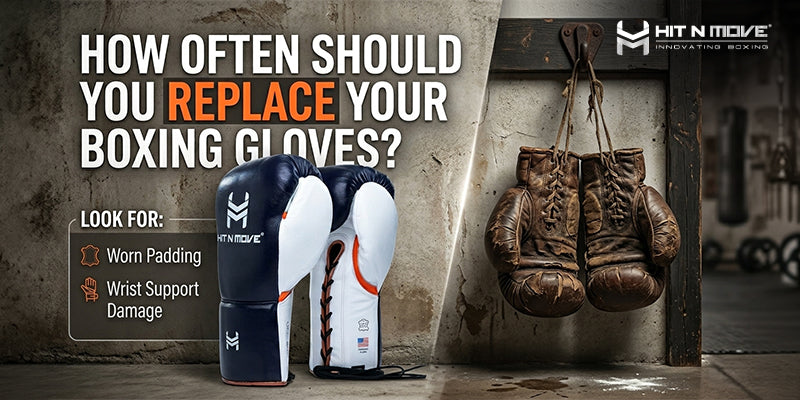
Old gloves are another common source of wrist pain. As glove padding wears down and wrist support weakens, more impact transfers directly into the joints. While beginners might want to check technique, more seasoned fighters usually need new or better gloves.
Lack of rest - overtraining also contributes heavily to wrist pain. Reducing heavy bag sessions after experiencing any signs of inflammation or irritation is important. Sometimes more is less.
Strong wrists are built gradually through proper training, which includes the correct wrapping, technique and equipment. It also includes strengthening the muscles and bones around the area of impact. Exercises like wrist curls, reverse curls, grip training, and resistance work help support the joint under fatigue. Combined with proper hand wrapping and supportive gloves, this greatly reduces injury risk.
Of course, some mild soreness can occasionally happen in combat sports - it’s part of the deal. However any sharp pain, swelling, weakness, or instability should never be ignored. Persistent wrist pain deserves proper evaluation before it becomes a chronic issue.