
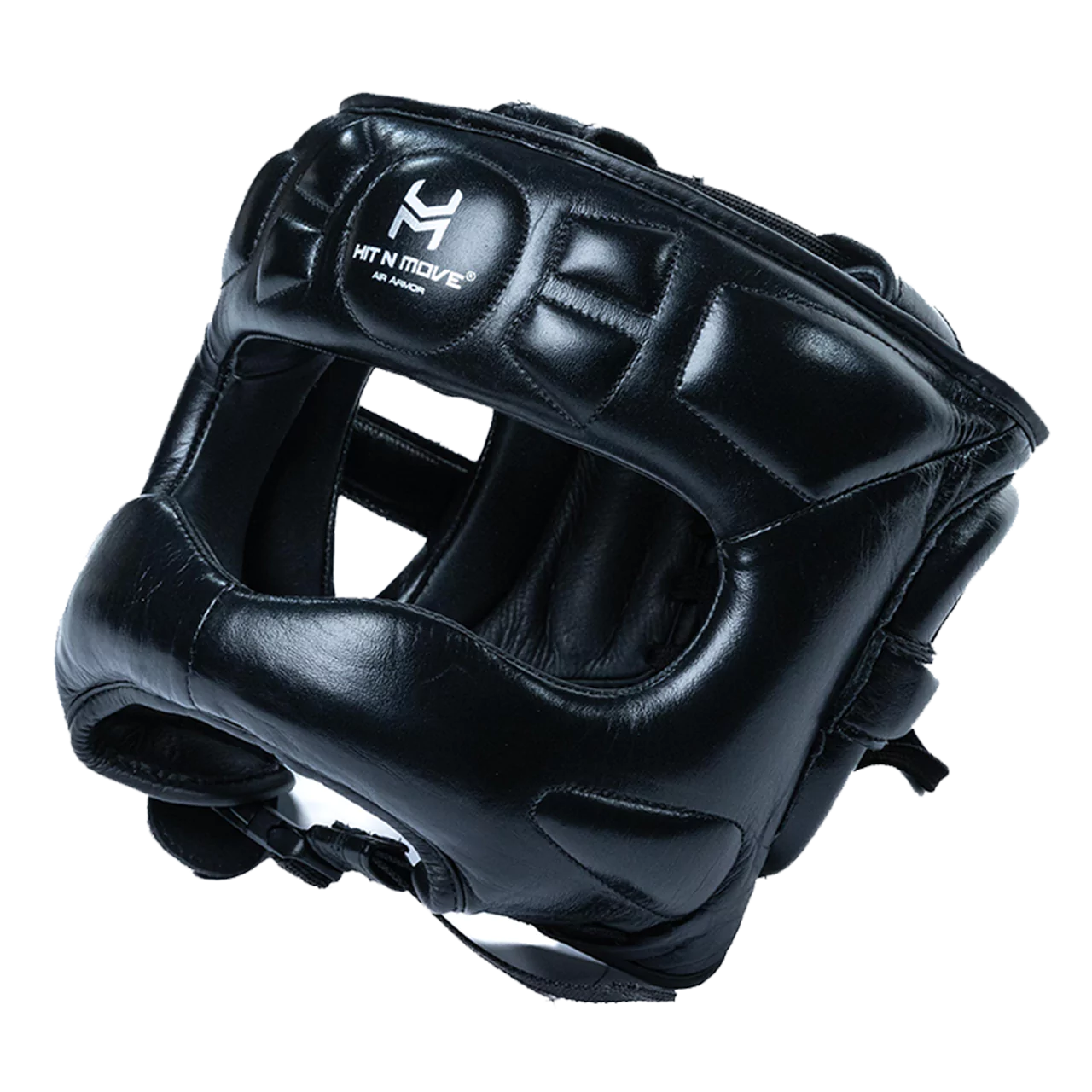

USA Boxing gloves are built for safety and consistency.
But that design comes with a major trade-off: feedback.
Because boxing is not just about throwing punches. It is about reading them. Timing them. Adapting them. A boxer is constantly taking in information and adjusting through the hands, wrists, and timing of impact. The cleaner the signal, the cleaner the adjustment.
When that signal gets dulled, and the fighter can no longer feel his punches, the fight changes.
Why So Many USA Boxing Gloves Feel Similar
USA Boxing gloves are built under strict regulations.
Approval standards are tight. Equipment is standardized. The goal is obvious: safety, fairness, and consistency across competition.
In theory, that creates an even playing field.
And from a regulatory standpoint, that makes sense. If equipment is tightly controlled, risk is easier to manage, and competition is easier to standardize.
But standardization has a cost.
When design freedom shrinks, variation shrinks with it. While this does keep things fair, it also prevents new companies from being able to work in there innovaiotns.
The result is equipment that is consistent but largely unchanged.
Basically, from a performance standpoint, the design is outdated.
The 12oz Construction Problem
This shows up most clearly in the 12oz amateur glove.
The padding over the knuckles is often built heavily around absorption. That is the point. Impact comes in, the glove eats more of it, and protection goes up.
But when protection goes up from thickness, feedback goes down.
That is the trade.
The boxer still lands the punch. But the hand does not receive the same level of confirmation on clean contact.
This may seem small, but to the average boxer's unconscious, feedback is everything.
What Feedback Actually Does
Every punch creates a loop.
Punch. Feel. Adjust.
That feedback is not just one thing. It includes tactile input through the skin and knuckles. It includes structural feel through the wrist and joints. It includes movement timing through the chain of the punch itself.
Boxing is a feedback-driven sport.
A fighter does not just learn through a coach yelling corrections from the corner. The body learns in real time. Was that shot clean? Was the wrist stacked right? Did the punch snap or drag? Did the hand land with precision or just force?
That information helps shape the next punch.
Then the next one after that.
The Core Mechanism
Soft, highly cushioned foam dampens tactile and impact-related signals.
That means the brain gets weaker confirmation of clean contact.
The result is subtle, but important: less snap, less clarity, less decisiveness.
A punch can land clean and still feel less convincing through the glove.
That changes how a boxer interprets the shot.
And once interpretation changes, behavior changes with it.
What Happens Next
When fighters do not clearly feel clean contact, they compensate.
They add force.
They raise output.
They add tension.
That compensation is usually not conscious. A fighter does not think, I am getting weak sensory confirmation, so now I will increase effort. The body just starts searching for a stronger signal.
That can bias output toward effort instead of efficiency.
And once that happens, control starts to slip. Timing gets a little rougher. Force gets a little less economical. The boxer may throw harder or throw more, not because that is the best option, but because the body is trying to “find” the feeling of clean impact.
The Feedback Loop Breakdown
A good punch creates a loop:
Punch. Feel. Confirm. Repeat.
When impact feedback is muted, confirmation weakens. When confirmation weakens, adjustment becomes less precise.
The boxer gets less clean information through the hands.
And when that happens over rounds, it can subconsciously push them to throw with more effort or higher volume to “find” that feedback again.
That reduces efficiency.
Over time, it can increase fatigue too.
Why Most Fighters Do Not Notice It
Because missing feedback does not feel like missing feedback.
It feels like pace.
It feels like adrenaline.
It feels like needing to work harder.
That is why this issue gets overlooked.
You do not notice missing feedback.
You compensate for it.
And once compensation becomes normal, the problem hides inside the rhythm of training and competition.
The Real Constraint
The real issue is not that amateur gloves were designed badly.
The issue is that they were designed inside a rule set that prioritizes regulation over evolution.
Strict standards limit experimentation. Limited experimentation slows innovation. And while modern glove design has moved forward, the rules set have not moved with it.
That gap is what keeps these gloves behind from a performance standpoint.
They are built to satisfy the system first.
Not to maximize what the boxer feels.
What Better Gloves Do Differently
Performance and sparring gloves often give a clearer sense of contact.
Not because they are unsafe. Because their padding is often more responsive, less dead, and better at transmitting useful feel back through the hand.
That improves the sense of energy transfer.
And when feedback improves, control improves.
The boxer gets clearer confirmation. Timing sharpens. Force becomes easier to regulate. Clean shots feel clean.
That matters.
Because clarity helps a boxer trust execution.
Muted feedback can push them to chase it.
The Practical Takeaway
Train with both.
Understand the difference.
If you use USA Boxing gloves, know what they are giving you and what they are taking away. They provide safety, structure, and consistency. But they can also reduce the quality of feedback reaching the hands.
That matters in training and competition.
If you do not understand the feedback gap, you will chase effort instead of execution.
And that is a bad trade.
Final Word
A glove does not just protect your hands.
It shapes how you fight.
And when feedback is muted, fighters often pay for it with effort instead of precision.
Highly cushioned amateur gloves can dampen tactile and impact-related sensory feedback from the hand. That weaker feedback may reduce a boxer’s perception of punch sharpness and clean contact, which can unconsciously push them toward higher effort, higher pace, and less economical punching.